

Crystal Meth
Understanding Crystal Meth: What You Need to Know
Crystal meth, often referred to simply as meth, is a powerful and highly addictive drug that has garnered significant attention due to its devastating effects on individuals and communities. This illegal stimulant is chemically similar to amphetamine, a drug that is used in certain medical treatments, but it has much stronger effects on the central nervous system. Understanding crystal meth is crucial for recognizing its dangers, addressing addiction, and supporting those affected by it.
What is Crystal Meth?
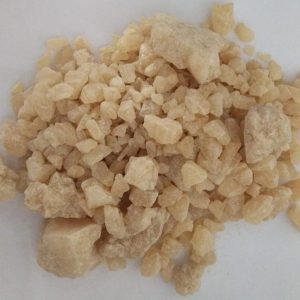
Crystal meth is an illicit form of methamphetamine that appears as clear or bluish-white crystals. Known for its euphoric effects, it is often smoked, but can also be snorted, injected, or ingested orally. The drug activates the brain’s reward system, leading to increased energy, heightened focus, and feelings of pleasure. However, these effects are temporary and come with a host of dangerous consequences.
The drug’s primary ingredient, pseudoephedrine, is found in many over-the-counter cold medications. Illicit producers extract this compound to create meth in makeshift laboratories, often resulting in dangerous chemical reactions that can lead to fires and explosions. The ease of production and availability contributes to its widespread use and addiction.
The Effects of Crystal Meth on the Body and Mind
Using crystal meth can lead to immediate and severe physical and psychological effects. Users often experience a rush of energy, increased alertness, and decreased appetite. However, these temporary highs are followed by a severe crash, leading to anxiety, agitation, and depression. Chronic use can lead to:
– Severe Dental Problems: Often referred to as meth mouth, users may suffer from tooth decay and gum disease due to reduced saliva production and poor hygiene.
– Weight Loss and Malnutrition: Meth suppresses appetite, leading users to neglect nutrition, which can cause significant weight loss and health issues.
– Skin Sores: Users may develop sores from scratching due to intense itching, stemming from the drug’s effects on the skin.
– Increased Heart Rate and Blood Pressure: The stimulant nature of crystal meth can cause dangerous cardiovascular issues, including heart attack and stroke.
The Road to Addiction
The addictive nature of crystal meth is one of its most alarming characteristics. Initial use may stem from curiosity, peer pressure, or a desire to enhance productivity. However, the reinforcing effects of the drug can create a cycle of addiction that is difficult to break. As tolerance develops, individuals may consume larger quantities more frequently to achieve the same euphoric effects.
Withdrawal symptoms can be debilitating, featuring intense cravings, fatigue, depression, and anxiety. These symptoms can make recovery incredibly challenging, leading many to relapse without the proper support and treatment.
Crystal Meth and the Community
Addiction to crystal meth extends beyond the individual; it has a profound impact on families and communities. Increased crime rates, neglect of children, and the breakdown of relationships are just a few of the consequences. Moreover, the presence of meth labs poses health risks to entire neighborhoods, exposing residents to toxic chemicals and environmental hazards.
Communities affected by crystal meth often see a rise in healthcare costs, strained social services, and increased demands on law enforcement. This ripple effect underscores the importance of comprehensive approaches to prevention, education, and treatment.
Prevention and Treatment Options
Addressing the crystal meth crisis requires a multifaceted strategy. Education plays a key role in prevention, informing the public about the dangers and signs of meth use. Schools, community organizations, and healthcare providers can collaborate to create awareness programs that aim to reduce initial use.
Treatment centers specializing in substance abuse can provide the necessary support for individuals struggling with addiction. Effective treatment often combines behavioral therapies, counseling, and, in some cases, medication to help manage withdrawal symptoms and cravings. Support groups, such as Narcotics Anonymous, can offer ongoing encouragement and a sense of community for those in recovery.
Conclusion
Understanding crystal meth is crucial for navigating the complexities of addiction and its far-reaching effects on individuals and society. By recognizing the dangers associated with this potent stimulant and advocating for effective prevention and treatment strategies, communities can work together to combat this pressing issue. Whether through education or providing support for individuals in recovery, collective action is vital in addressing the crystal meth crisis and creating a healthier future.

Rezensionen
Es gibt noch keine Rezensionen.